
 BTC
BTC ETH
ETH USDT
USDT BNB
BNB SOL
SOL XRP
XRP USDC
USDC DOGE
DOGE ADA
ADA TRX
TRX
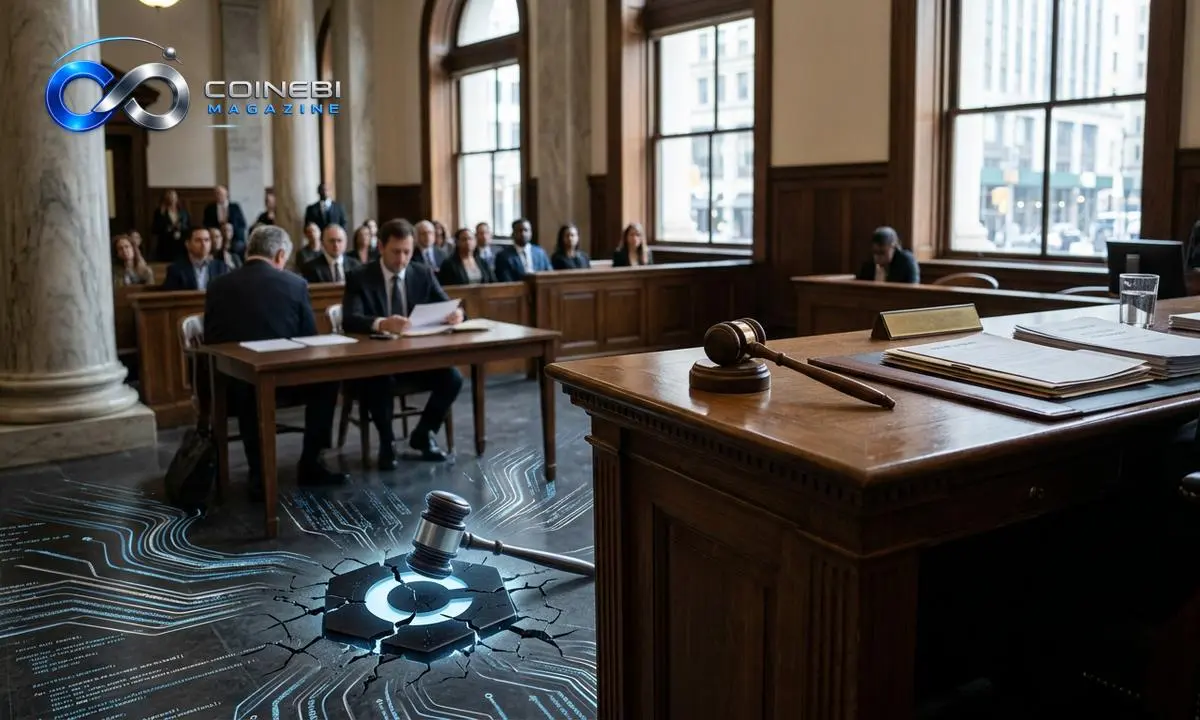
The newly finalized Alex Mashinsky settlement has secured up to $35 million in financial penalties and a permanent lifetime industry ban for the former Celsius Network chief executive. This landmark agreement, brokered by the New York Attorney General (NY AG), marks the resolution of a high-profile civil case that accused the former founder of systematically misleading retail investors about the fundamental safety, liquidity, and risk profile of his now-defunct cryptocurrency lending platform.
Under the terms of the newly minted civil agreement, the financial clawback is structured as a multi-tiered penalty system tied directly to Mashinsky’s existing criminal sentence. The former executive, who is currently serving a 12-year prison sentence for fraud, faces severe financial consequences if he fails to meet specific asset forfeiture conditions or attempts to shorten his time behind bars. This coordinated action between state prosecutors and federal authorities underscores a growing trend of using overlapping civil and criminal mechanisms to hold disgraced digital asset executives accountable.
Inside the Alex Mashinsky Settlement and Financial Penalties
The financial architecture of the Alex Mashinsky settlement is uniquely contingent upon compliance with existing criminal forfeitures and the completion of his prison term. Specifically, the agreement dictates that Mashinsky owes the state of New York a baseline of $25 million if he fails to successfully forfeit another $10 million in assets through ongoing legal proceedings. Furthermore, the settlement imposes an additional $10 million penalty if Mashinsky fails to serve his full 12-year federal prison sentence, bringing the total potential civil liability of the agreement to $35 million.
Beyond the monetary penalties, the civil resolution permanently bars Mashinsky from ever participating in the New York financial and digital asset sectors. Under this lifetime ban, the former CEO is prohibited from serving as an officer, director, or promoter of any cryptocurrency business, nor can he offer investment or advisory services involving digital assets to New York residents. This ban effectively ends his professional career in the fintech and blockchain ecosystems, closing a chapter on one of the most visible leaders of the 2020-2022 retail lending boom.
The Collapse of Celsius and the State’s Civil Crusade
The state of New York’s civil action began as a direct response to the catastrophic collapse of Celsius Network in mid-2022. During the height of the cryptocurrency bull market, Celsius marketed itself as a safe, high-yield alternative to traditional banking, promising retail customers yields as high as 18% on their digital asset deposits. Mashinsky frequently hosted weekly public broadcasts, reassuring depositors that Celsius maintained conservative risk-management practices and possessed more than enough collateral to back its operations.
However, investigators later revealed that Celsius engaged in high-risk trading strategies, made uncollateralized loans, and used customer deposits to artificially prop up its native token. When market liquidity evaporated following the collapse of the Terra-Luna ecosystem, Celsius was forced to freeze customer withdrawals, ultimately filing for Chapter 11 bankruptcy and leaving hundreds of thousands of creditors locked out of billions of dollars. The NY AG’s civil lawsuit alleged that Mashinsky was fully aware of these underlying insolvency issues but continued to publicly promote the safety of the platform to attract fresh retail deposits, essentially using new inflows to pay out older obligations.
Evaluating State-Level Crypto Enforcement Trends
The finalization of this civil settlement highlights the aggressive stance state regulators are taking alongside federal bodies like the Securities and Exchange Commission (SEC). While federal prosecutors focus on securing prison time, state attorneys general are leveraging civil consumer protection laws to ensure bad actors are stripped of their ill-gotten wealth and barred from returning to local markets. By tying the civil monetary penalties directly to Mashinsky’s criminal forfeiture success, New York prosecutors have ensured that the disgraced executive cannot easily shield assets from state collections.
For a detailed breakdown of how these dual-track legal cases progress, readers can refer to the historical analysis of the Alex Mashinsky settlement and its implications for other embattled founders. This coordinated pressure sets a precedent for how state departments of law can coordinate with federal bureaus to maximize the financial pain inflicted on corporate wrongdoers, ensuring that incarceration does not serve as a shield against civil restitution.
The Future of Yield-Bearing Digital Asset Services
The legacy of the Celsius collapse, capped by Mashinsky’s lifetime industry ban, has fundamentally altered the landscape of yield-bearing cryptocurrency services. The era of unregulated, black-box lending platforms offering double-digit yields is largely over, replaced by a highly scrutinized environment where transparency is mandatory. Most surviving yield services have been forced to register as securities or pivot toward decentralized finance (DeFi) protocols where lending collateral is verifiable directly on-chain.
Furthermore, this civil resolution signals that regulatory agencies will not hesitate to pursue individual executives personally, rather than settling solely with corporate entities. As the broader market matures, the message from regulators is clear: misleading retail depositors about the safety of digital assets will result not only in the loss of corporate assets but also in personal bankruptcy, long-term imprisonment, and permanent exclusion from the financial sector.
Key Takeaways
- The NY AG secured up to $35 million in civil penalties and a lifetime cryptocurrency industry ban against former Celsius CEO Alex Mashinsky.
- Mashinsky must pay New York $25 million if he fails to forfeit another $10 million, with an additional $10 million penalty triggered if he does not serve his full 12-year prison sentence.
- The settlement resolves New York’s civil claims that Mashinsky repeatedly misled retail depositors regarding the safety and solvency of Celsius Network prior to its 2022 bankruptcy.
- The permanent ban bars Mashinsky from acting as an officer, director, or promoter of any digital asset business operating within the state of New York.
This article was drafted with AI assistance from public reporting and reviewed before publication. See our editorial standards.
Last updated: October 11, 2026




Comments