
 BTC
BTC ETH
ETH USDT
USDT BNB
BNB SOL
SOL XRP
XRP USDC
USDC DOGE
DOGE ADA
ADA TRX
TRX
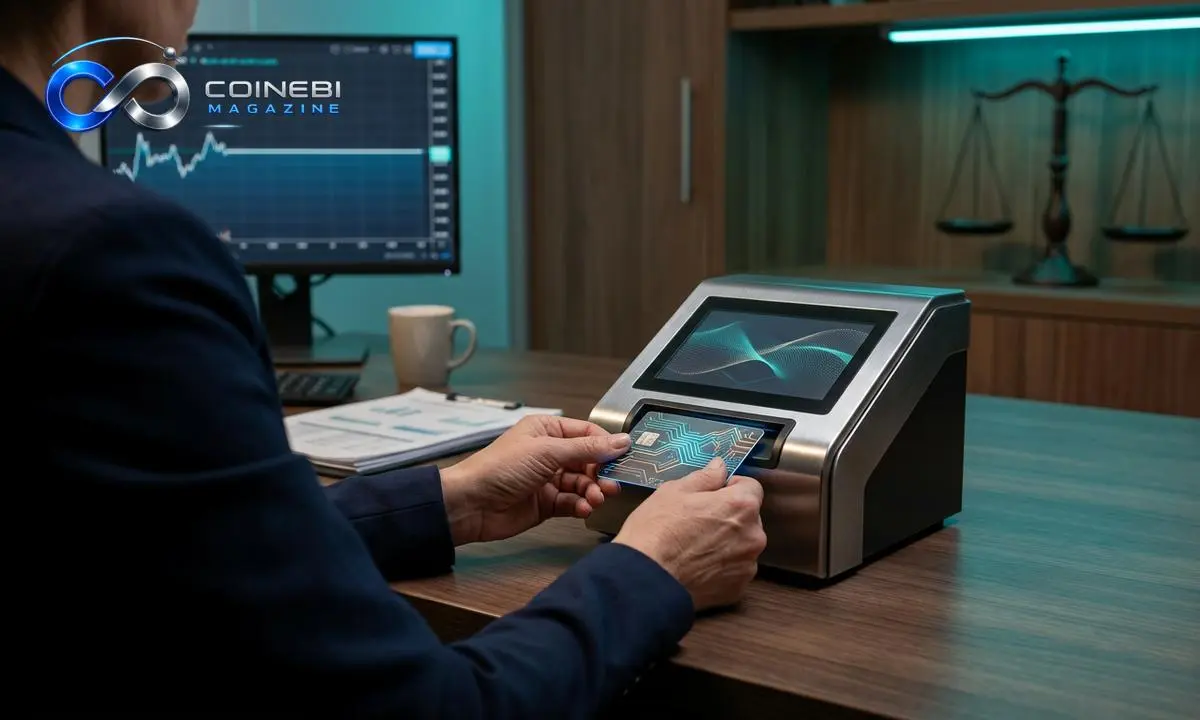
The launch of the Mastercard stablecoin platform, officially named the Global Money Platform, represents a major milestone in bringing digital assets into everyday card payments. By enabling the seamless integration of stablecoin balances into traditional banking systems and card networks, the payment giant is attempting to solve one of the most persistent challenges in Web3: the friction associated with off-ramping digital assets into spendable fiat currency. Rather than forcing users to manually convert their holdings through central exchanges, this newly introduced infrastructure aims to automate the conversion process directly at the point of sale.
The Architecture of the Mastercard Stablecoin Platform
To understand the potential impact of the Mastercard stablecoin platform, one must look closely at its technical foundation and partnership ecosystem. The initiative marks the payment giant’s first major corporate integration with BVNK since its strategic acquisition in August. BVNK, known for its robust enterprise-grade crypto payment gateway, provides the underlying infrastructure that connects blockchain networks with traditional treasury operations. By leveraging BVNK’s capability to process and settle digital assets, the card network can now handle stablecoin settlements in real time, reducing the processing latency that has historically plagued crypto-linked debit and credit cards.
Through this integration, digital asset balances are held securely and converted dynamically into the merchant’s preferred local currency during a transaction. This process bypasses the complex multi-step conversions that consumers typically navigate. It also ensures that merchants do not have to hold or manage volatile digital assets directly on their balance sheets, addressing a primary barrier to merchant acceptance of Web3 payments. The integration signals a clear shift in how traditional card schemes view stablecoins, transforming them from speculative assets into functional settlement mechanisms.
Nuvei and Marqeta Lead Institutional Adoption
The roll-out of the Global Money Platform is backed by immediate support from key players in the global payment and card-issuing space. Nuvei, a global payment technology provider, and Marqeta, a pioneer in modern card issuing, are among the very first companies to adopt and integrate the platform. Their participation is crucial because it immediately extends the reach of the platform to thousands of fintech companies, digital banks, and consumer-facing applications that rely on their APIs to power card programs.
For Marqeta, the partnership allows its clients to offer customized card programs where users can spend stablecoin balances anywhere the payment network is accepted. This capability aligns with a broader trend where traditional financial institutions and fintechs are exploring programmatic money and specialized liquidity solutions. A similar appetite for sophisticated treasury infrastructure has been seen in other sectors, such as the U.S. Bank stablecoin payment test, which demonstrated how traditional corporate treasuries are actively seeking ways to move value across borders instantly and with minimal overhead.
Nuvei’s adoption, on the other hand, focus heavily on the acquiring side of the equation. By integrating the platform, Nuvei can offer its global merchant base more flexible settlement options. Merchants can choose to accept payments that originate from a consumer’s stablecoin wallet but receive the settlement in local fiat, with all foreign exchange and network conversions handled instantly behind the scenes. This seamless experience is expected to lower cart abandonment rates for international shoppers and reduce transaction costs associated with cross-border card payments.
Bridging the Gap Between Web3 and Traditional Finance
By deploying the Mastercard stablecoin platform, the global payment giant is addressing a long-standing bottleneck in the digital asset space. Historically, payment networks treated crypto cards as niche products, often relying on pre-funded prepaid card models. Under those legacy frameworks, users had to manually sell their crypto, wait for the transaction to clear, and load the fiat balance onto a card. The new platform represents a shift toward native, real-time authorization against a live digital wallet balance.
This development is part of a larger trend where traditional financial networks are building permanent bridges to the stablecoin economy. While retail users are highly familiar with major dollar-pegged assets through guides like the Tether stablecoin beginner guide, institutional players are increasingly focused on B2B utility. Payment networks want to harness the efficiency of blockchain ledgers to bypass old banking infrastructure. The focus is no longer just on helping retail customers buy coffee with digital assets, but on enabling global enterprises to optimize their cash management and cross-border payment flows.
The inclusion of BVNK’s technology within the payment giant’s ecosystem is expected to accelerate this institutional push. As stablecoins face increasing regulatory scrutiny worldwide, having an established, regulated card scheme manage the compliance, anti-money laundering (AML), and fraud prevention layers of stablecoin transactions could give traditional banks the confidence they need to offer digital asset custody and transaction services to their mainstream clients.
The Outlook for Global Stablecoin Settlements
The launch of the Global Money Platform comes at a time of heightened competition among traditional payment networks, fintechs, and blockchain protocol developers. As different ecosystems vie for dominance in the multi-trillion-dollar global payments market, the ability to settle transactions instantly and cheaply has become a major competitive advantage. This friction has led to numerous strategic pilots, including initiatives like the Coinbase bank stablecoin bridge, which aim to link local financial institutions directly to decentralized liquidity pools.
With Marqeta and Nuvei paving the way, other major fintech processors and card program managers are expected to integrate with the Global Money Platform in the coming months. The success of this rollout will likely depend on how effectively the system handles high-volume transaction loads during peak retail periods, as well as the overall cost-efficiency of the real-time conversion mechanics compared to traditional card payment networks.
Key Takeaways
- The new Global Money Platform marks Mastercard’s first major integration with BVNK following its acquisition in August.
- Nuvei and Marqeta are the first major payment companies to adopt the new stablecoin integration infrastructure.
- The system enables real-time conversion of stablecoin balances into fiat at the point of sale, bypassing traditional off-ramp delays.
- The platform targets both retail card issuance and B2B merchant settlement, aligning with broader bank-led stablecoin treasury initiatives.
This article was drafted with AI assistance from public reporting and reviewed before publication. See our editorial standards.
Last updated: October 15, 2026




Comments