
Introduction
After buying your first crypto, the next important step is learning how to send, receive, and store crypto safely. For beginners, this part can feel stressful because crypto transactions usually cannot be reversed after they are confirmed.
Sending crypto to the wrong address, choosing the wrong network, or exposing wallet recovery information can create serious problems. But once you understand the basic rules, managing crypto becomes much easier.
This beginner-friendly guide explains how to send, receive, and store crypto safely, how wallet addresses work, what blockchain confirmations mean, and which common mistakes beginners should avoid.
Where Is Crypto Stored?
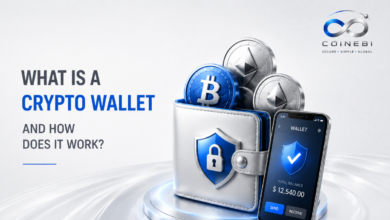
Crypto is not stored like cash in a physical wallet. Instead, crypto assets are recorded on a blockchain. A wallet or exchange account helps users access and manage those assets.
A crypto wallet helps users manage addresses, transactions, and access information. Depending on the setup, a wallet may also involve private keys, seed phrases, passwords, or account-based security tools.
In simple terms, your crypto exists on the blockchain, and your wallet or account gives you a way to access and manage it.
Wallets vs Exchange Accounts
Beginners often ask whether crypto is stored in a wallet or an exchange account. The answer depends on how the user manages access.
A crypto wallet gives users a way to manage blockchain addresses and wallet access. Some wallets give users direct control over private keys and seed phrases.
An exchange account allows users to manage supported crypto assets through an account-based platform. This usually involves login details, passwords, identity verification, and security tools such as 2FA.
Users who manage crypto through Coinebi should review account security settings, supported networks, deposit and withdrawal instructions, and platform safety tools before taking any action.
What Is a Wallet Address?
A wallet address is a public address used to send or receive crypto. You can think of it like a receiving address for a specific crypto asset on a specific blockchain network.
Wallet addresses are usually long combinations of letters and numbers. They must be copied carefully because even one wrong character can send crypto to the wrong place.
A wallet address is not the same as a private key. A wallet address can be shared when receiving crypto. A private key must stay secret because it can control access to assets.
Why the Network Matters
Many crypto assets can exist on more than one blockchain network. This means users must choose the correct network when sending or receiving crypto.
If the sender uses one network and the receiver expects another, the transaction may fail or the assets may become difficult or impossible to recover.
Before sending or receiving crypto, always check:
- The crypto asset name
- The wallet address
- The blockchain network
- The amount
- Any transaction fee
For beginners, checking the network is just as important as checking the address.
How to Receive Crypto Safely
Receiving crypto is usually simpler than sending it, but beginners still need to be careful. The most important step is making sure the address and network are correct.
The basic receiving process usually looks like this:
- Open the wallet or platform where you want to receive crypto.
- Select the correct crypto asset.
- Select the correct network if there is more than one option.
- Copy your receiving address carefully.
- Share the address with the sender.
- Wait for the transaction to be confirmed on the blockchain.
Before sharing the address, double-check that it matches the asset and network. If you are unsure, slow down and verify everything first.
How to Send Crypto Safely
Sending crypto requires more attention because transactions are often irreversible. Once a transaction is confirmed, it may not be possible to cancel or reverse it.
The basic sending process usually works like this:
- Open the wallet or account you are sending from.
- Select the crypto asset you want to send.
- Enter or paste the recipient’s address.
- Choose the correct blockchain network.
- Enter the amount.
- Review all transaction details.
- Confirm the transaction only if everything is correct.
Beginners should never rush this step. Always compare the first and last characters of the address, check the network, and review the total amount before confirming.
What Are Blockchain Confirmations?
After a crypto transaction is sent, it usually needs to be confirmed by the blockchain network. A confirmation means the network has processed and recorded the transaction.
Some transactions confirm quickly, while others may take longer depending on the network, traffic, fees, and blockchain design.
During this time, the transaction may appear as pending. This does not always mean something is wrong. It may simply mean the network is still processing the transaction.
Why Crypto Transactions Are Usually Irreversible
One of the most important things beginners should know is that many crypto transactions cannot be reversed after confirmation.
This is different from some traditional payment systems where users may be able to request chargebacks or reversals. In crypto, once a transaction is confirmed on the blockchain, it may be permanent.
This is why careful review matters. Before sending crypto, check the address, network, amount, and fees. A small mistake can lead to permanent loss.
How to Store Crypto Safely
Learning how to store crypto safely is just as important as learning how to send and receive it. Storage depends on how users manage access to their assets.
Some users keep crypto on account-based platforms for convenience. Others use wallets where they manage their own private keys and recovery phrases.
Important storage habits include:
- Use strong and unique passwords.
- Enable 2FA where available.
- Protect your seed phrase.
- Never share private keys.
- Keep devices secure and updated.
- Be careful with phishing links.
- Review withdrawal and recovery settings carefully.
Storage is not only about where crypto is kept. It is also about how safely access is managed.
Hot Wallets and Cold Wallets
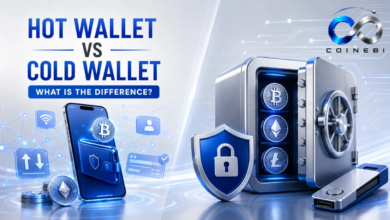
Beginners should also understand the difference between hot wallets and cold wallets. A hot wallet is usually connected to the internet. A cold wallet is usually kept offline.
Hot wallets may be more convenient for frequent use, while cold wallets may reduce exposure to online threats. However, both require careful security habits.
Before deciding how to store crypto, users should learn about hot wallet vs cold wallet differences and understand the risks of each approach.
Protect Your Seed Phrase and Private Key
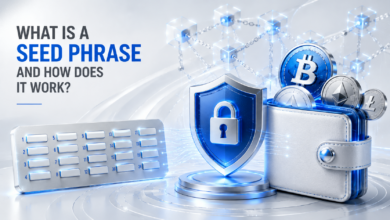
A seed phrase can often restore access to a wallet. A private key can control assets connected to a blockchain address. Both must be protected carefully.
Never share your seed phrase or private key with anyone. Do not save them in email, cloud notes, screenshots, or chat messages.
If someone gets access to your private key or seed phrase, they may be able to move the related crypto assets without permission.
Common Beginner Mistakes
Many beginner mistakes happen because users act too quickly. Crypto transactions require patience and careful checking.
Common mistakes include:
- Sending crypto to the wrong address
- Choosing the wrong blockchain network
- Not checking transaction fees
- Copying an address incorrectly
- Using unsafe devices or public Wi-Fi
- Installing fake wallet apps
- Sharing seed phrases or private keys
- Ignoring account security settings
Most of these mistakes can be avoided by slowing down and reviewing every detail before confirming a transaction.
Security Tips Before Sending or Receiving Crypto
Before sending or receiving crypto, beginners should follow a simple security checklist.
- Check the wallet address carefully.
- Make sure the network is correct.
- Confirm the asset name and symbol.
- Review the transaction fee.
- Use 2FA where available.
- Avoid public Wi-Fi for sensitive activity.
- Do not click suspicious links.
- Never share seed phrases or private keys.
These habits can help users avoid common mistakes and reduce security risks.
How to Avoid Scams When Moving Crypto
Scammers often target users who are sending, receiving, or storing crypto. They may send fake support messages, fake wallet links, or fake recovery pages.
Be careful if someone asks you to verify your wallet, share a seed phrase, install an unknown app, or send crypto to unlock a reward.
Before moving assets, beginners should learn how to avoid crypto scams. Scam awareness is an important part of crypto safety.
How Coinebi Magazine Helps Beginners Learn Crypto Security
Coinebi Magazine explains crypto topics in simple language for beginners. Learning about wallets, transactions, private keys, seed phrases, account security, and scams can help users avoid common mistakes.
The goal is to help users understand what they are doing before they send, receive, or store crypto. In crypto, careful learning can prevent serious errors.
Final Thoughts
Learning how to send, receive, and store crypto safely is an important step for every beginner. Crypto gives users more control over digital assets, but that control also creates responsibility.
Always check the address, network, amount, and fees before sending crypto. Protect your seed phrase and private keys. Use strong security settings and avoid suspicious links.
Start slowly, double-check everything, and learn each step before moving larger amounts or using advanced tools.
Disclaimer: This article is for educational purposes only. It is not financial advice, investment advice, or a trading recommendation. Cryptocurrency markets are volatile, and you may lose part or all of your capital.