
 BTC
BTC ETH
ETH USDT
USDT BNB
BNB SOL
SOL XRP
XRP USDC
USDC DOGE
DOGE ADA
ADA TRX
TRX
Introduction
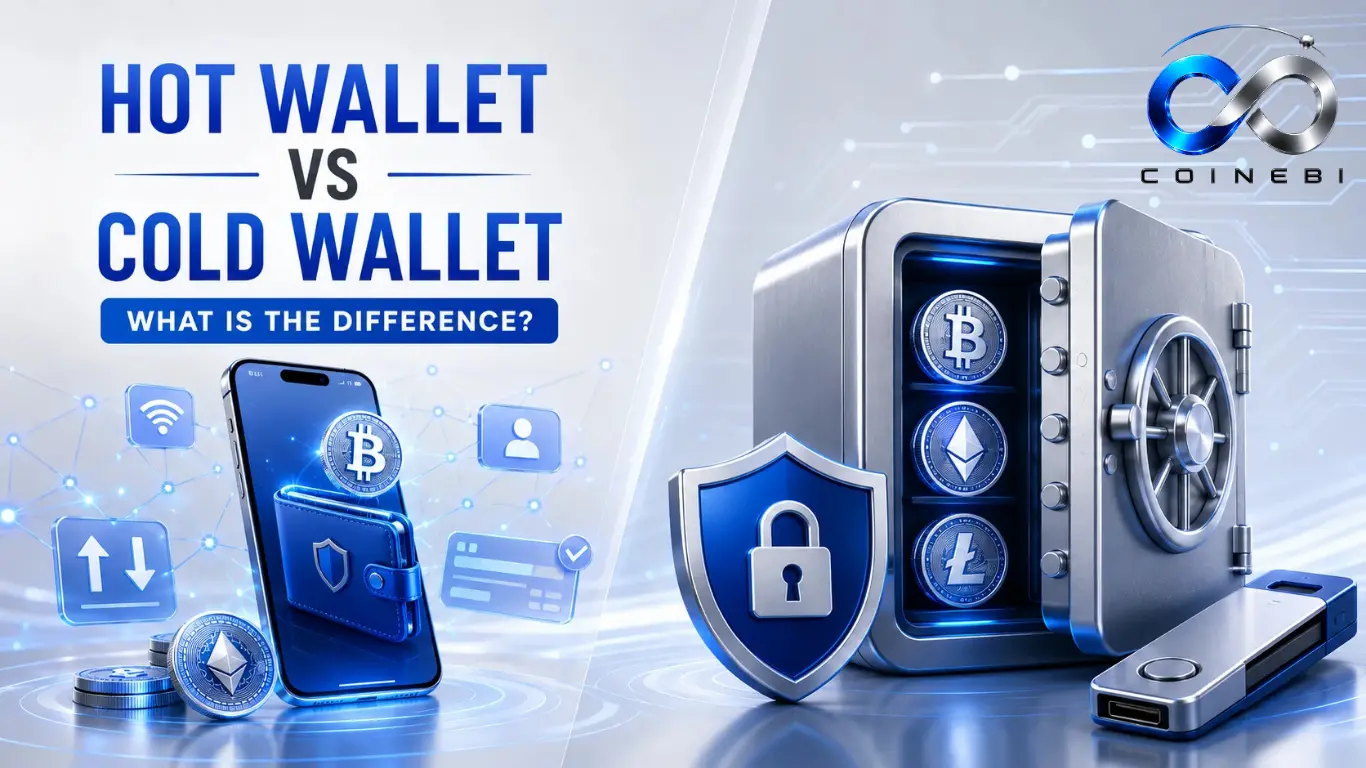
If you are learning how to store crypto safely, you will often see the phrase hot wallet vs cold wallet. These two wallet types are important because they explain how users access, manage, and protect digital assets.
A hot wallet is usually connected to the internet. A cold wallet is usually kept offline. This simple difference affects convenience, security, risk, and how users manage their crypto.
This beginner-friendly guide explains hot wallet vs cold wallet differences, how each wallet type works, their benefits and risks, and what beginners should understand before choosing a wallet approach.
Understanding hot wallet vs cold wallet differences can help beginners choose a storage approach that matches their security needs and experience level.
What Is a Crypto Wallet?
A crypto wallet is a tool that helps users manage access to cryptocurrency. It does not usually store crypto like a physical wallet stores cash. Instead, it helps users manage keys, addresses, and blockchain transactions.
Crypto assets are recorded on a blockchain. A wallet helps users access and control those assets through information such as public addresses, private keys, and recovery phrases.
This is why wallet security matters. If access information is lost, exposed, or stolen, the user may lose control over the related crypto assets.
What Is a Hot Wallet?
A hot wallet is a crypto wallet that is connected to the internet. Because it is online, it is usually easier to access and use for regular crypto activity.
Hot wallets may be used for checking balances, sending crypto, receiving crypto, or managing assets through an online interface. They are designed for convenience and quick access.
In simple terms, a hot wallet is useful when users need frequent access to their crypto. However, because it is connected to the internet, it can also face more online security risks.
How Does a Hot Wallet Work?
A hot wallet works by helping users manage crypto access through an online device, app, or platform. When a user sends crypto, the wallet helps create and approve the transaction.
The basic process often works like this:
- The user opens the wallet or account interface.
- The user chooses a transaction.
- The wallet helps sign or approve the transaction.
- The transaction is sent to the blockchain network.
- The network verifies and records the transaction.
Because hot wallets are connected to the internet, they can be practical and fast. But users must protect passwords, devices, accounts, private keys, and recovery information carefully.
Benefits of Hot Wallets
Hot wallets are popular because they are easy to use. For beginners, convenience can make crypto easier to understand and manage.
Common benefits of hot wallets include:
- Quick access to crypto assets
- Easy sending and receiving
- Simple balance checking
- Useful for regular crypto activity
- Beginner-friendly interfaces
These benefits make hot wallets practical for users who need frequent access. However, convenience should not replace security.
Risks of Hot Wallets
The main risk of a hot wallet is online exposure. Since hot wallets are connected to the internet, they may be targeted by phishing, malware, fake websites, weak passwords, or compromised devices.
Common hot wallet risks include:
- Phishing links and fake login pages
- Weak or reused passwords
- Compromised devices
- Malware or unsafe downloads
- Fake support messages
- Careless handling of seed phrases or private keys
Hot wallets can be useful, but beginners should never ignore security. Strong passwords, careful website checks, and safe device habits are important.
What Is a Cold Wallet?
A cold wallet is a crypto wallet setup that is usually kept offline. Because it is not constantly connected to the internet, it may reduce exposure to many online threats.
Cold wallets are often used by people who want to keep crypto access separate from regular online activity. The main idea is to reduce the chance that sensitive wallet information is exposed through the internet.
In the hot wallet vs cold wallet comparison, cold wallets usually focus more on security and less on speed or convenience.
How Does a Cold Wallet Work?
A cold wallet works by keeping sensitive wallet access offline most of the time. This can reduce the risk of online attacks, but it also requires more careful handling by the user.
The basic idea is simple:
- Wallet access information is kept offline.
- The user stores recovery information securely.
- Transactions may require extra steps before being sent.
- The user must protect the wallet setup from loss, damage, or exposure.
Cold wallet setups can reduce online threats, but they are not risk-free. If recovery information is lost or damaged, access may be lost. If a seed phrase is exposed, the assets may still be at risk.
Benefits of Cold Wallets
Cold wallets are often used because they reduce online exposure. This can make them useful for users who do not need frequent access to their crypto.
Common benefits of cold wallets include:
- Reduced exposure to online attacks
- Useful for longer-term storage
- Less dependence on daily online access
- Better separation from phishing and malware risks
- More control over recovery and access information
These benefits can be helpful, but only if the user understands how to protect recovery information correctly.
Risks of Cold Wallets
Cold wallets can reduce online risks, but they also create other responsibilities. Beginners should understand these risks before using any cold storage method.
Common cold wallet risks include:
- Losing the wallet device or backup
- Damaging recovery information
- Writing a seed phrase incorrectly
- Forgetting where backups are stored
- Sharing recovery information by mistake
- Using a setup without understanding recovery steps
Offline storage does not help if the user loses the information needed to recover access. Cold wallet security depends on careful habits.
Hot Wallet vs Cold Wallet: Key Differences
The main hot wallet vs cold wallet difference is internet connection. A hot wallet is usually online and easier to access. A cold wallet is usually offline and designed to reduce online exposure.
- Hot wallet: Connected to the internet and easier to use regularly.
- Cold wallet: Kept offline most of the time and often used for stronger separation from online risks.
- Hot wallet: More convenient for frequent activity.
- Cold wallet: More suitable for careful longer-term storage.
- Hot wallet: More exposed to online threats.
- Cold wallet: More dependent on safe backup and recovery habits.
Neither option is perfect. The better choice depends on how often users need access, how much responsibility they can manage, and how well they understand crypto security.
Which Wallet Type Is Safer?
Many beginners ask which wallet type is safer. In general, cold wallets reduce exposure to online threats, while hot wallets are more convenient but more exposed to internet-based risks.
However, safety is not only about wallet type. A cold wallet can become unsafe if the seed phrase is shared. A hot wallet can become risky if the password is weak or the user clicks fake links.
Security depends on how private keys are managed, how seed phrases are stored, how careful the user is with links and messages, and whether the user understands recovery steps.
In crypto, the safest setup is usually the one the user understands and can protect properly.
Hot Wallet vs Cold Wallet for Beginners
For beginners, the hot wallet vs cold wallet decision should not be rushed. New users should first understand how wallets, private keys, seed phrases, addresses, and transactions work.
A hot wallet may feel easier because it offers faster access. A cold wallet may offer stronger separation from online threats, but it can also be less forgiving if the user loses recovery information.
Beginners should ask simple questions before choosing a wallet approach:
- Do I understand how wallet recovery works?
- Can I protect my seed phrase safely?
- Do I need frequent access to this crypto?
- Am I storing crypto for a short time or a long time?
- Do I understand the risks of sending transactions?
The goal is not to choose quickly. The goal is to understand the responsibility that comes with each option.
Common Wallet Security Mistakes
Many crypto losses happen because of basic security mistakes. These mistakes can affect both hot wallets and cold wallets.
Common wallet security mistakes include:
- Sharing a private key with someone
- Taking screenshots of seed phrases
- Saving recovery information in cloud storage
- Clicking fake wallet or support links
- Using weak passwords
- Ignoring security settings where available
- Sending crypto to the wrong address or network
- Trying advanced wallet actions without understanding them
A private key or seed phrase should never be shared. Anyone who gets access to this information may be able to control the related crypto assets.
How to Choose Between a Hot Wallet and a Cold Wallet
Choosing between a hot wallet and a cold wallet depends on your needs, experience, and security habits. There is no single answer for everyone.
A hot wallet may be useful when:
- You need regular access.
- You are learning basic transactions.
- You want a simple interface.
- You understand online security risks.
A cold wallet may be useful when:
- You want to reduce online exposure.
- You are thinking about longer-term storage.
- You can protect recovery information carefully.
- You understand that losing backups can mean losing access.
Before making any decision, beginners should learn how wallet access works and avoid storing more than they are comfortable risking.
How Coinebi Magazine Helps Beginners Learn Wallet Security
Coinebi Magazine explains wallet security topics in simple language for beginners. Learning about hot wallets, cold wallets, private keys, seed phrases, and account protection can help users avoid common mistakes.
Users who manage crypto through Coinebi should also review account security settings, verification options, and platform safety tools before taking any action.
Final Thoughts
Hot wallets and cold wallets serve different purposes. A hot wallet is usually easier to access because it is connected to the internet. A cold wallet is usually kept offline to reduce online exposure.
The hot wallet vs cold wallet choice depends on convenience, security needs, experience, and personal responsibility. Beginners should not focus only on which option sounds safer. They should focus on which option they understand and can protect properly.
Crypto gives users more control over digital assets, but that control comes with responsibility. Learn first, protect recovery information, and never treat wallet security casually.
For beginners, learning hot wallet vs cold wallet basics is an important step before managing larger amounts of crypto or moving assets between wallets.
Disclaimer: This article is for educational purposes only. It is not financial advice, investment advice, or a trading recommendation. Cryptocurrency markets are volatile, and you may lose part or all of your capital.


Comments